
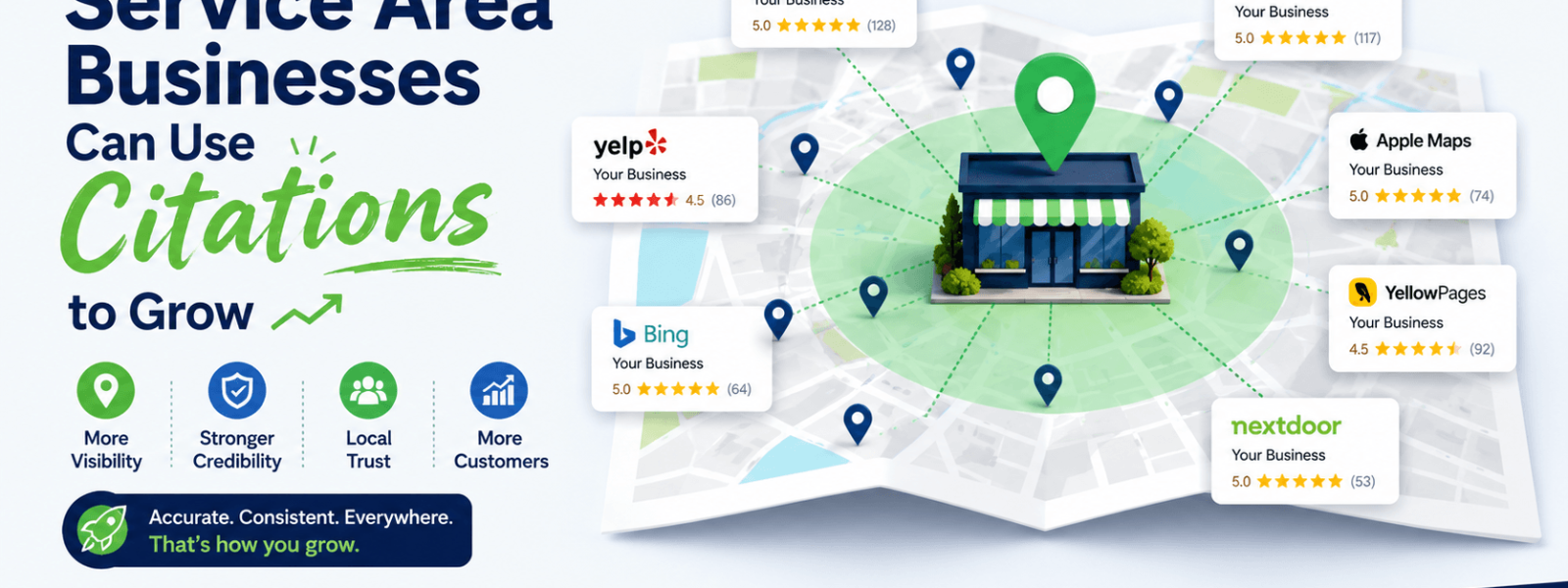
If your business serves customers across a wide area rather than from a single location, you face unique challenges in local search. Customers in different neighborhoods need to find you, but your business address might not reflect the full scope of your service area.
Service area businesses like plumbers, landscapers, and house cleaners face this challenge regularly. The good news is that thoughtful citation building can help customers across your entire service area discover your business.
The Service Area Citation Strategy
Business directories typically include fields for service area in addition to your physical address. This information helps search tools understand where you operate. A business listing on Dots On The Maps can specify cities, neighborhoods, or zip codes you serve, expanding your visibility beyond your immediate location.
When filling out your service area, be specific. Instead of “the metro area,” list the specific cities or communities where you operate. This specificity helps you appear in searches from customers in those areas.
Why Service Area Matters for Local Search
Customers search using location-based terms. A homeowner in South Austin looks for “plumber South Austin” not just “Austin plumber.” If your citation indicates you serve South Austin, you’re more likely to appear for that specific search.
This becomes especially important for voice search and AI search results. When someone asks a virtual assistant for a “roofer near me,” the AI needs to understand which roofers actually serve that location. Complete service area information makes this connection possible.
Building Citations Across Your Service Area
Beyond your primary directory listing, consider building citations in directories that serve specific communities within your service area. Local chambers of commerce, community-specific directories, and regional business associations can all help reinforce your presence across different neighborhoods.
The key is consistency. Your service area should be consistent across all your listings. If you serve Austin, Round Rock, and Cedar Park, make sure every listing reflects these same communities.
Practical Tips for Service Area Success
Include your service area in your business description as well as in the designated fields. Mention the communities you serve and any notable projects you’ve completed in them. This provides both context and relevance to potential customers.
Consider creating separate landing pages on your website for different service areas, then linking to them from your directory listings. This helps build topical authority and provides more specific information for customers in each area.
How Service Area Information Supports Link Building
When you mention serving specific communities, it creates opportunities for local link building. Local organizations, neighborhood associations, and community blogs are more likely to link to your business when they see you serving their area.
Frequently Asked Questions
List specific cities, zip codes, or neighborhoods you serve. Be as precise as possible while staying truthful about your capabilities. Broad terms like "the metro area" provide less value than specific location names.
If you have a physical office, use that as your primary address. For directories that allow it, supplement with service area information. Some directories also let you list additional locations if you have them.
Yes. Citations that include service area information help search tools understand where you operate. This increases the chances of appearing in search results from customers across your entire service territory.
Dots On The Maps allows you to specify your service area in addition to your physical address. This helps customers across your service area find you while maintaining a consistent citation profile.
Customers want to know you actually serve their area. When they see your service area clearly listed, they feel more confident contacting you. Inconsistent or missing service area information creates uncertainty and can cost you business.

